Laying the groundwork
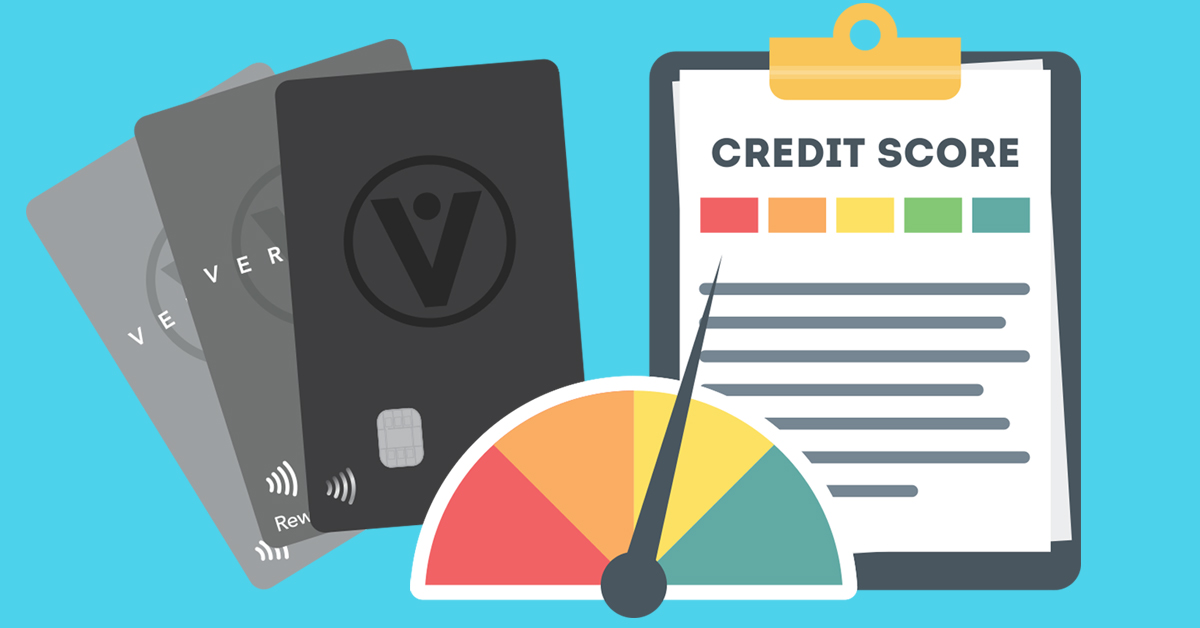
A bad credit score can keep you from getting loans, jobs and housing, so it's important to build yours up as much as you can. One of the factors that goes into your credit score is credit history. That's something you have to establish over time, so it's a good idea to start when you're young.
A common way to begin is a credit card. Using it for purchases and making on-time payments every month will establish a pattern of good behavior that lenders like to see. Here are some tips for responsible credit card usage:
- Don't apply for multiple cards. You only need one to start with, and too many applications for new debt in a short time can hurt your credit score.
- Start small. Ask for a low credit limit so you don't spend more than you can repay. You can always request increases to your credit limit later.
- Don't carry a balance. You don't need to pay interest to build your credit, so only use your card for purchases you can pay back within 30 days.
- Use automatic payments. Paying your bills on time is a huge part of your credit score, so make it impossible to miss your due date. Be sure to check your bill every month for fraud, though.
- Keep your contact information updated. You can't pay bills you don't know about, so make sure they aren't being sent to an old address. If you're in college, it can be better to use your parents' address rather than your dorm room.
You can also establish credit by paying utility bills. If you have roommates, you can each put a different utility in your name. Be cautious about putting multiple names on those accounts – any past-due or unpaid bills with your name on them can come back to haunt you.