
Some savings goals are more important than others.
Saving for a weekend getaway is one thing. Saving for retirement, a home down payment, or a child's education is something else entirely. Those goals can take years to reach, and the decisions you make today may impact opportunities in the future.
When long-term savings sit in the same account as money intended for everyday spending, it can be tempting to borrow from those funds. A dedicated "do not touch" savings strategy helps protect the goals that matter most and keeps your progress moving forward.
Start at the beginning: protect your long-term savings goals from everyday spending >
What Makes a Goal Worth Protecting?
Not every savings goal needs its own account or special strategy. But some goals deserve extra protection because they're harder to replace once the money is gone.
A goal may be a good candidate for "do not touch" status if it has a long timeline, a significant cost, or an important impact on your future.
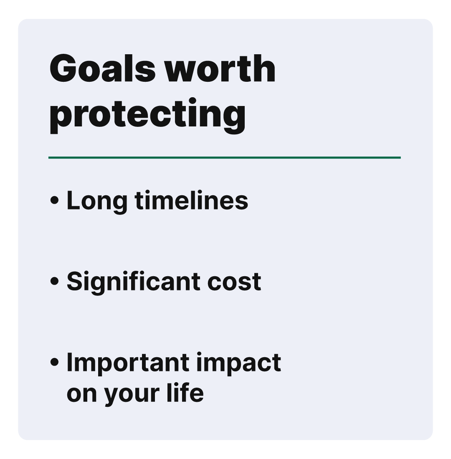
For example, replacing a few hundred dollars spent from a vacation fund may only take a few weeks or months. Replacing thousands of dollars intended for a retirement account or home down payment can take much longer and may delay your plans.
If reaching a goal requires years of saving, it may be worth creating a separate strategy to protect those funds.
Retirement Savings
Retirement is one of the most common examples of a "do not touch" goal.
The money you're saving today isn't just intended for next year or even the next decade. It's intended to support future you. Every dollar withdrawn now is one less dollar available to benefit from years of potential growth.
That doesn't mean you have to save large amounts all at once. Consistent contributions over time can make a meaningful difference.
If you're looking for a way to keep retirement savings separate from everyday money, a retirement account like an IRA or 401(k) may help. These accounts are designed for long-term saving, and early withdrawals may come with tax consequences that can make you think twice before using the money for something else.

College Education Costs
Whether you're planning for your own education or helping a child prepare for the future, education expenses often require years of preparation.
Tuition, books, fees, and other costs can add up quickly. Without a dedicated plan, it's easy for education savings to compete with more immediate financial priorities.
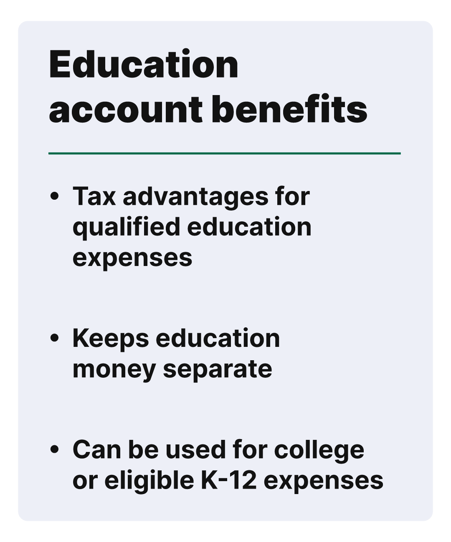
Creating a separate account for education savings can help you track progress and stay committed to the goal.
A Coverdell Education Savings Account is one option designed specifically for education-related expenses. Keeping those funds separate from your everyday savings can make it easier to remember their purpose and avoid using them for other needs.
A Home Down Payment
Buying a home is a major financial milestone, and building a down payment often takes time.
The challenge is that homeownership goals can feel far away when you're focused on day-to-day expenses. It can be tempting to dip into the fund for other priorities and promise yourself you'll replace the money later.
Unfortunately, those small withdrawals can slow progress over time.
A certificate of deposit (CD) may help by creating some separation between your down payment fund and the money you use regularly. When the goal has a clear purpose and timeline, it can be easier to stay disciplined.
How to Keep From Spending Your Savings
Knowing which goals deserve protection is only half the battle. The other half is creating habits that help you stay on track.
Give Your Goal a Name
A savings account labeled "Home Down Payment" or "Retirement" is often harder to raid than one simply labeled "Savings."
Giving your goal a name can serve as a reminder of what you're working toward.
Keep Long-Term Savings Separate
When all your money sits in one account, it can be difficult to tell what’s available for spending and what has already been assigned to a future goal.
Keeping long-term savings separate creates a visual reminder that the money has a purpose.
Automate Contributions
Automatic transfers can help you build savings without relying on willpower alone. Even small, consistent contributions can add up over time and keep you moving toward your goal.
Track Your Progress
Seeing progress can be motivating.
Whether you review your balance monthly or celebrate milestones along the way, tracking growth can help reinforce the importance of staying committed.
Protect Your Biggest Goals
Some goals are simply too important to compete with everyday spending.
If you're saving for retirement, education expenses, a home down payment or another major milestone, creating a "do not touch" strategy can help protect your progress. By keeping those funds separate and giving them a clear purpose, you may find it easier to stay focused on the future you're working toward.
Ready to give your long-term savings a more defined purpose? Explore options that can help you separate and protect the money you're setting aside for the future.